
There is nothing worse than the anticipation of your morning coffee, only to take that first sip and feel your face scrunch up.
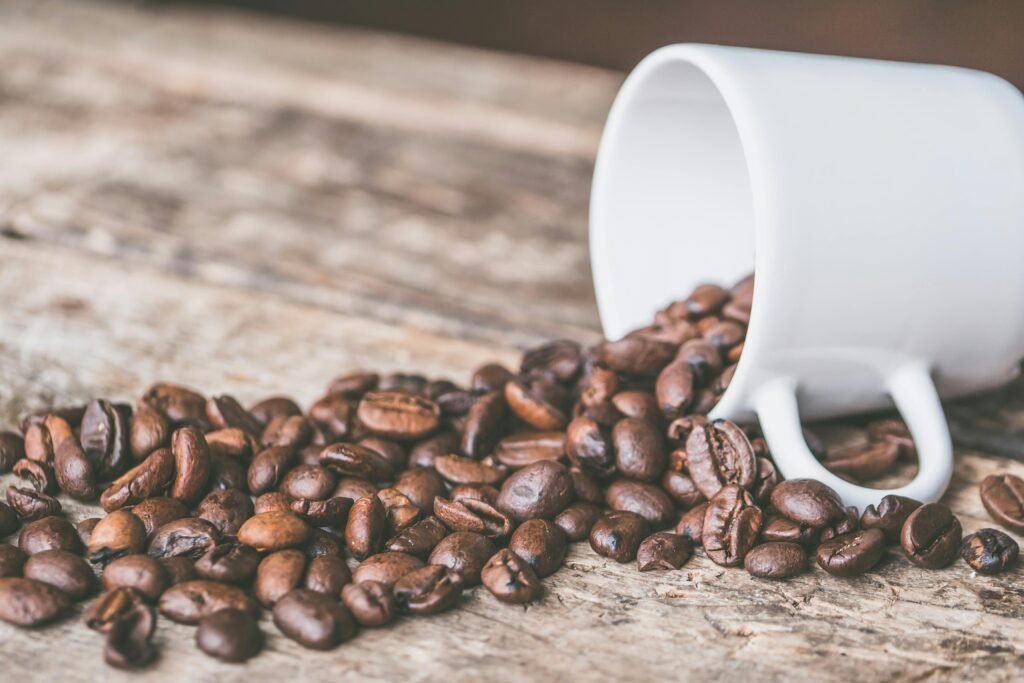
If your espresso tastes sharp, grassy, or like biting into a lemon, you are dealing with sour espresso. It is the most common frustration for beginner home baristas, and we have all been there.
Understanding the concept of sour espresso is essential for any coffee lover.
The good news? It is completely fixable.
Sourness is almost always caused by under-extraction. This means the hot water didn’t spend enough time with the coffee grounds to pull out the sweetness and balance. It only grabbed the acids (which come out first) and left the sugar behind.
These issues often lead to a sour espresso experience that can be easily resolved.
Every barista should know how to avoid sour espresso.
Here are the 5 main reasons your espresso is sour and exactly how to fix them.
Understanding Sour Espresso: Common Causes and Solutions
1. Your Grind Size is Too Coarse
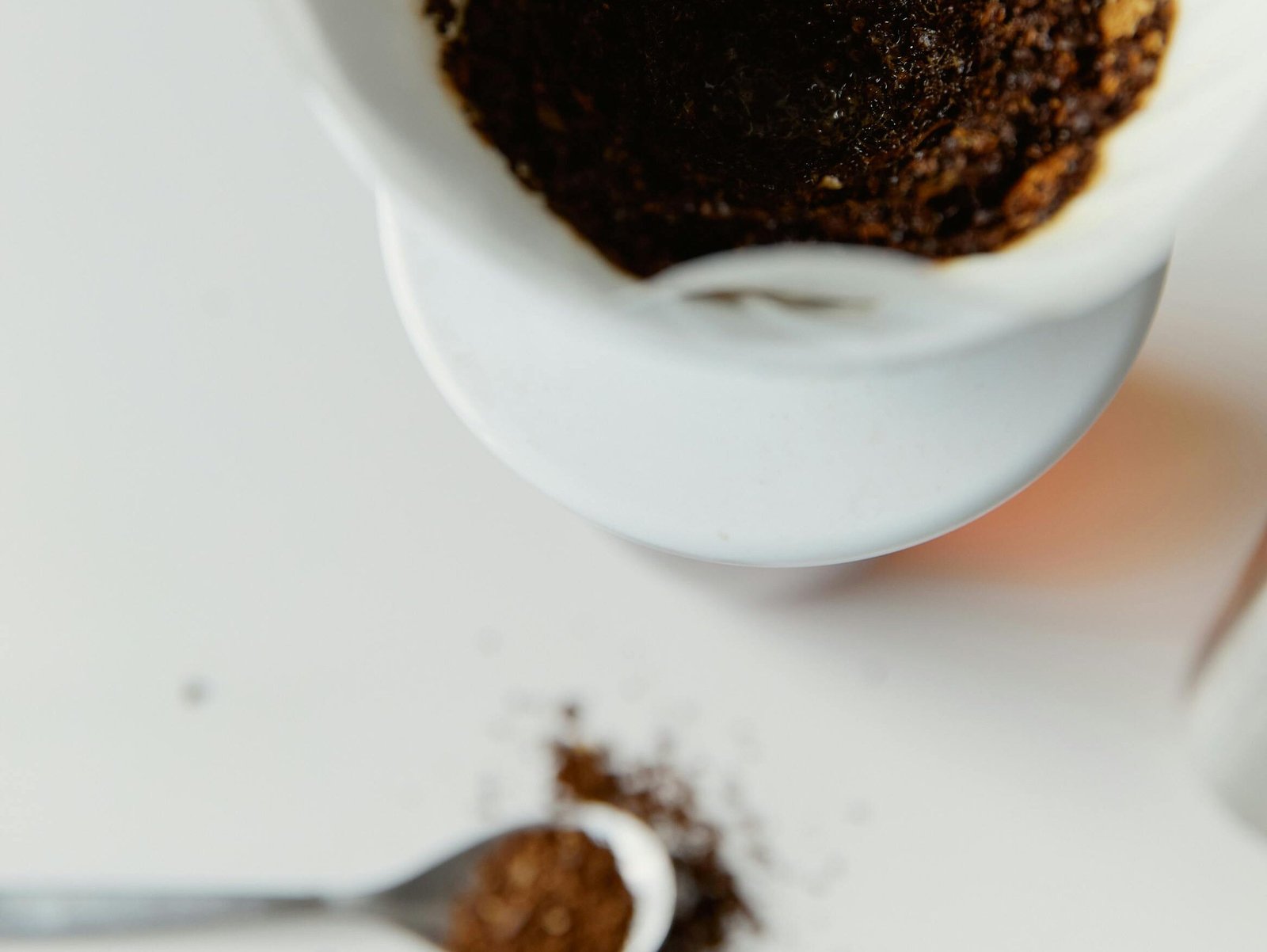
This is the most common culprit. If your coffee grounds are too coarse (like sea salt rather than fine sand), the water flows through the puck too quickly.
When brewing, aim to avoid sour espresso by adjusting your technique.
Think of it like water running through rocks versus sand. If it runs through rocks, it doesn’t pick up any flavor. In espresso terms, the water rushes past the coffee before it has a chance to extract the sweet oils.
How to Fix It:
- Grind Finer: Adjust your grinder to a finer setting. Make small adjustments.
- Check the Shot Time: Aim for your shot to pull in 25–30 seconds. If your shot finishes in 15 seconds, your grind is definitely too coarse.
Many home baristas struggle with sour espresso if they don’t use the right settings.
2. Your Brew Ratio is Off (Stopping Too Early)
Understanding how sour espresso occurs can help you troubleshoot.
Espresso extraction happens in stages: Acids (Sour) -> Sugars (Sweet) -> Plant Fibers (Bitter).
If you stop your shot too early, you are only drinking the first stage: the acid. You haven’t let the water run long enough to get to the sweet part. This is common if you are just eyeballing the volume rather than weighing your output.
How to Fix It:
If you’re facing sour espresso, consider adjusting your brewing method.
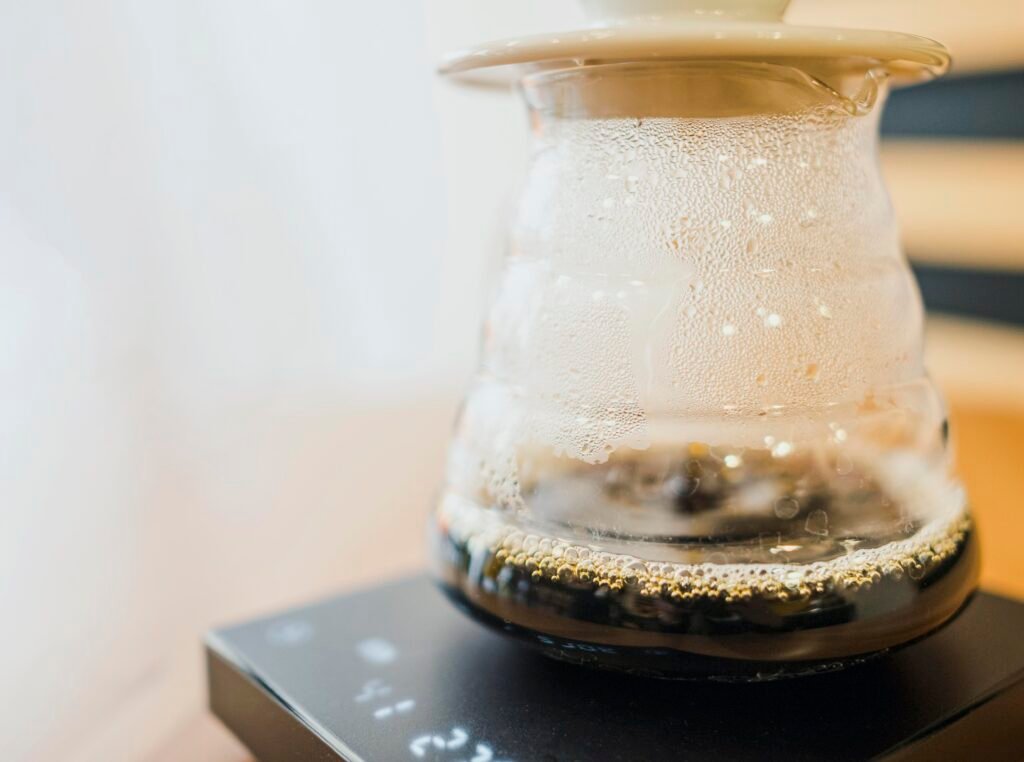
- Use a Scale: Don’t guess. Weigh your dose (ground coffee) and your yield (liquid espresso).
- Increase the Yield: Try a standard 1:2 ratio. If you use 18g of coffee beans, aim for 36g of liquid espresso out. If it’s still sour, try letting it run to 40g (1:2.2 ratio) to grab more sweetness.
3. The Water Temperature is Too Low
Heat is energy. To extract flavor from a dense coffee bean, you need energy. If your water is too cool, it won’t have the strength to dissolve the tasty compounds in the coffee, leading to a sour cup.
This is especially true for light roast coffees, which are denser and harder to extract than dark roasts.
How to Fix It:
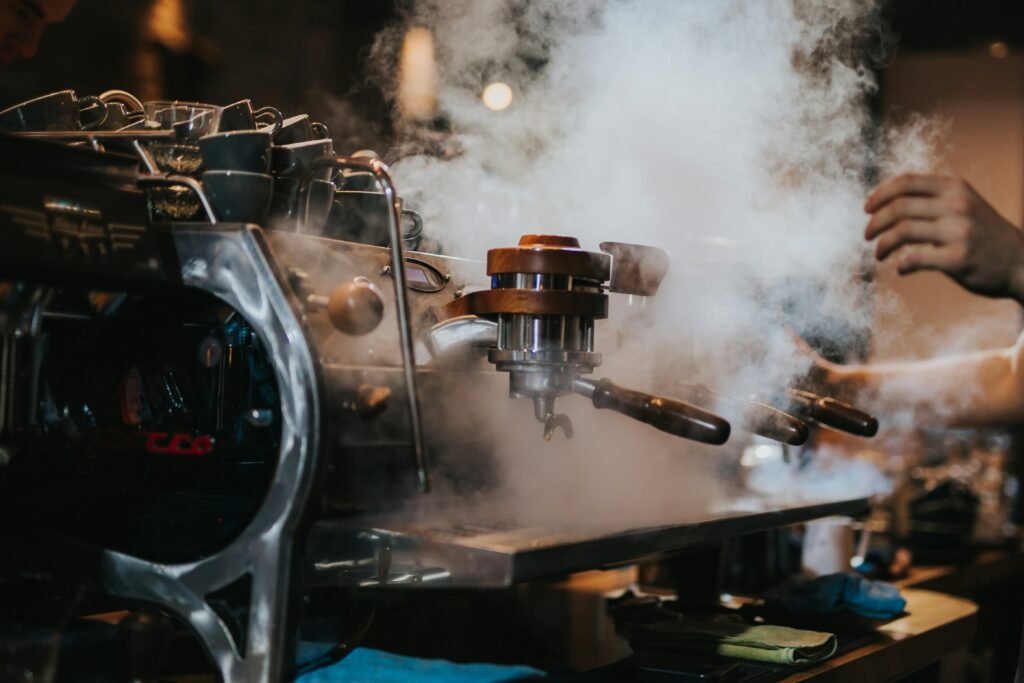
- Turn it Up: If your machine has a PID (temperature control), increase the temperature to 200°F – 205°F (93°C – 96°C).
- Preheat Everything: If you have a smaller machine, run a blank shot (water only) through the portafilter and into your cup before brewing. This ensures the metal is hot and doesn’t suck the heat out of your brew water.
4. You Are Experiencing “Channeling”
Channeling happens when the high-pressure water finds a weak spot in your coffee puck and drills a hole straight through it.
The water rushes through that one hole (under-extracting the rest of the puck) and gives you a mix of sour and bitter flavors. You can usually tell this is happening if your espresso flow looks messy, sprays, or squirts sideways.
How to Fix It:
- Improve Puck Prep: Ensure your coffee bed is perfectly flat before you tamp.
- Use a WDT Tool: This is a small tool with needles used to rake through the grounds to break up clumps. It is the single best accessory for preventing channeling.
- Tamp Level: Apply even, firm pressure. You don’t need to lean your whole body weight on it; just ensure it’s level.
5. Your Beans Are Too Fresh (or Too Light)
Sometimes, it’s not your technique—it’s the beans.
- Light Roasts: These are naturally more acidic and “bright.” If you are used to Starbucks-style coffee (dark roast), a high-quality light roast might just taste sour to you until your palate adjusts.
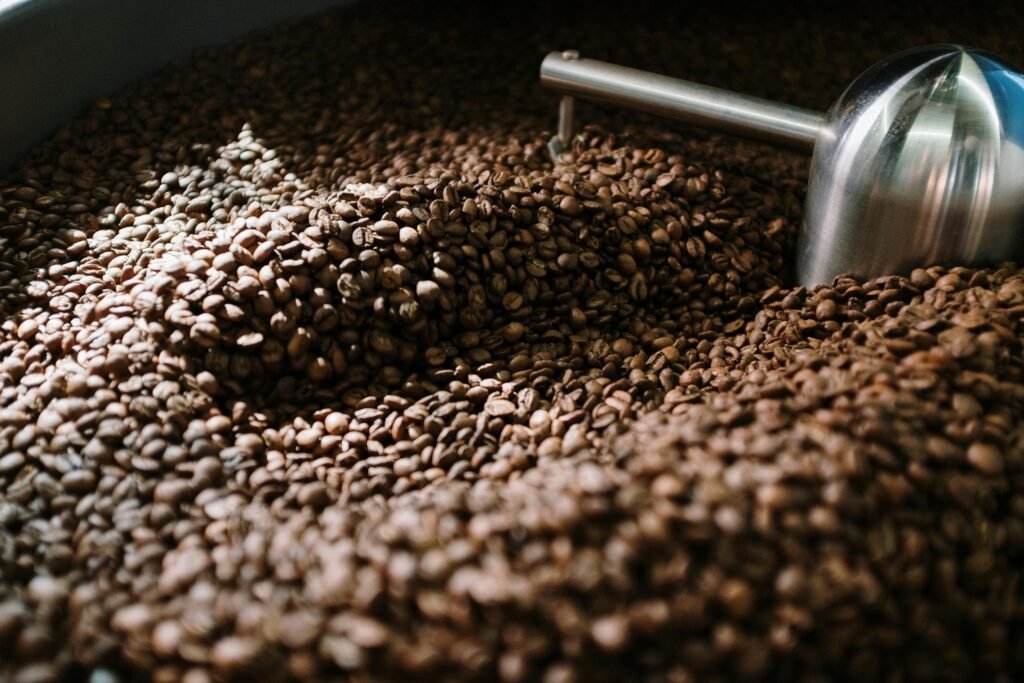
- Too Fresh: If beans were roasted yesterday, they still have too much CO2 gas trapped inside. This gas prevents water from touching the coffee, causing under-extraction.
How to Fix It:
- Rest Your Beans: Ideally, wait 7 to 14 days after the roast date before using beans for espresso.
- Switch Roasts: If you keep struggling, try a Medium or Dark roast. They are much more forgiving, naturally lower in acidity, and easier to dial in for beginners.
Summary: The Golden Rule
Fixing sour espresso is all about extraction. You need to get more out of the bean.
When you go to fix your next shot, follow the Golden Rule of Dialing In: Only change one variable at a time.
- Start by grinding finer.
- If that doesn’t work, increase your ratio (let the shot run longer).
- Finally, check your temperature and puck prep.
Don’t give up! That perfect, sweet, syrupy shot of espresso is just a few adjustments away.